
The integration of digital image analysis in material testing has revolutionized the way we assess and understand the properties of various materials. Through the utilization of cutting-edge technology and intricate algorithms, this method offers a level of precision and detail that was previously unattainable through traditional means compression testing machine. By unveiling hidden characteristics and nuances within materials, digital image analysis opens up a realm of possibilities for researchers and engineers alike. Its potential to uncover crucial insights into material behavior and performance is reshaping the landscape of material science and testing methodologies, paving the way for new discoveries and innovations in the field.
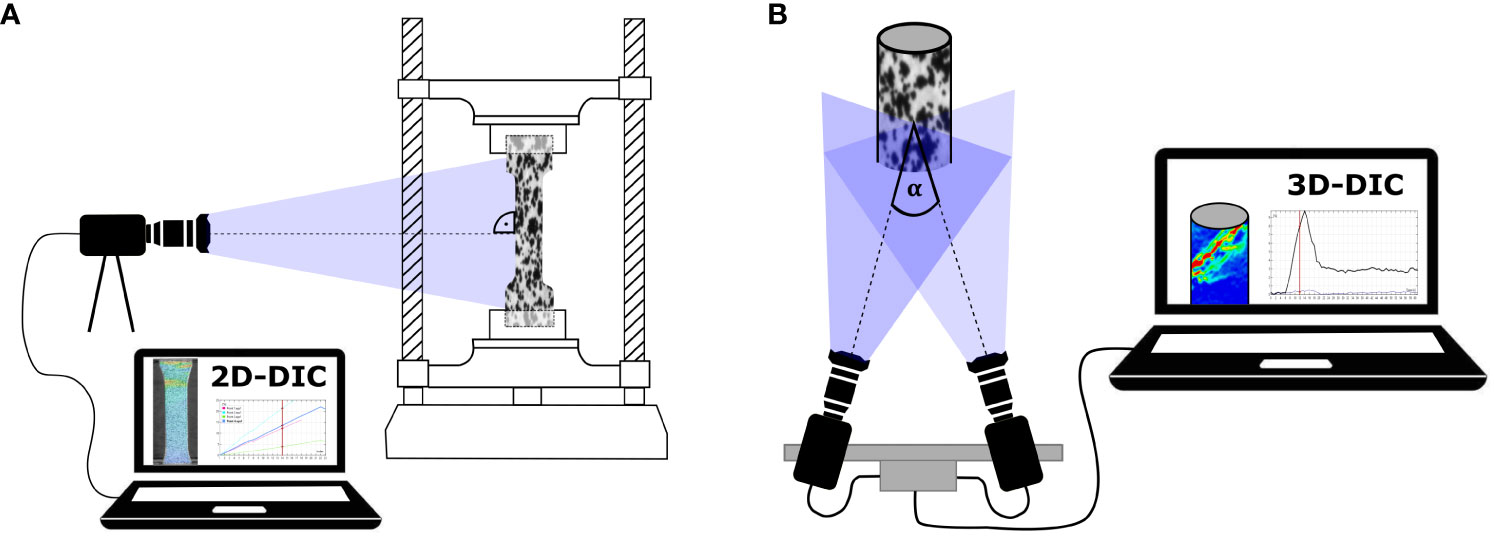
Importance of Digital Image Analysis
Digital Image Analysis plays a crucial role in material testing by providing precise and quantitative data for evaluating the properties and characteristics of various materials.
Through the use of advanced algorithms and image processing techniques, digital image analysis allows for the accurate measurement of parameters such as grain size, porosity, cracks, and phase distribution in materials.
This method enables researchers and engineers to obtain detailed information about the microstructure and overall quality of a material, leading to better insights into its mechanical https://nl-test.com/news/universal-testing-machines, thermal, and chemical properties.
Software Tools for Material Analysis
Advancements in software tools have revolutionized material analysis techniques, offering sophisticated solutions for extracting critical data from digital images in material testing. These software tools utilize algorithms to analyze images, enabling precise measurements of material properties such as dimensions, surface defects, and structural characteristics. Image processing software like ImageJ, MATLAB, and Python with libraries such as OpenCV, scikit-image, and TensorFlow provide a wide range of tools for material analysis. These tools can perform tasks like image segmentation, feature extraction, and pattern recognition, allowing for efficient and accurate assessment of materials.
Furthermore, software tools for material analysis often offer automation capabilities, streamlining the analysis process and reducing human error. They enable the rapid processing of large quantities of images, making them ideal for high-throughput material testing applications. Additionally, these tools can generate detailed reports, statistical data, and visualizations to aid researchers and engineers in interpreting the results of material analysis. Overall, the availability of advanced software tools has significantly enhanced the speed, accuracy, and depth of material analysis in various industries.
Advantages Over Manual Inspection
In comparison to manual inspection methods, automated digital image analysis offers significant advantages in terms of efficiency, accuracy, and scalability. Automated analysis tools can process large quantities of images rapidly, saving time and reducing the likelihood of human error.
The precision of digital image analysis is superior to manual inspection, as it can detect subtle differences that may be missed by the human eye. Additionally, the scalability of automated systems allows for the simultaneous analysis of multiple images, making it ideal for high-throughput applications.
The data-driven nature of digital image analysis provides quantitative results, enabling better comparison and tracking of material properties over time. Moreover, automated systems can be programmed to apply consistent evaluation criteria across all analyzed images, ensuring standardization in the inspection process.

Applications in Material Science
Material science applications benefit significantly from the implementation of automated digital image analysis tools due to their ability to provide precise and data-driven insights into material properties. These tools enable researchers to conduct detailed microstructural analysis, such as grain size determination, phase identification, and defect analysis, with a high degree of accuracy and efficiency. By utilizing advanced algorithms and image processing techniques, digital image analysis can extract valuable information from images of materials at various scales, ranging from the micro to the macro level.
In material science, digital image analysis is instrumental in studying the behavior of materials under different conditions, evaluating the quality of manufactured products, and investigating the effects of external factors on material performance. This analytical approach allows for the quantitative assessment of material characteristics, leading to improved understanding and control of material properties. Moreover, digital image analysis facilitates the comparison of experimental results, the identification of trends, and the prediction of material behavior, ultimately contributing to advancements in material science research and development.
Future Trends in Material Testing
With the evolution of technology and the increasing demand for enhanced accuracy in material analysis, the landscape of material testing is poised for significant transformation. Future trends in material testing are leaning towards the integration of artificial intelligence (AI) and machine learning algorithms to automate and optimize the testing processes. These technologies can analyze vast amounts of data quickly and accurately, leading to more precise results and improved efficiency in material testing.
Another key trend in material testing is the development of more advanced imaging techniques, such as hyperspectral imaging and 3D imaging, which provide detailed insights into the structure and properties of materials. These imaging technologies offer enhanced capabilities for identifying defects, analyzing microstructures, and evaluating material performance.
Furthermore, the adoption of non-destructive testing methods, including ultrasound, computed tomography (CT), and infrared thermography, is expected to increase in the future. These techniques enable thorough inspection of materials without causing damage, allowing for continuous monitoring and assessment of structural integrity.
Conclusion
In conclusion, digital image analysis is a crucial tool in material testing, providing accurate and detailed insights into material properties.
The use of sophisticated algorithms and image processing techniques allows for precise measurements of parameters such as grain size and porosity, leading to enhanced understanding of material microstructure and quality.
This advanced technique offers numerous advantages over manual inspection and is expected to continue driving advancements in material science and testing in the future.